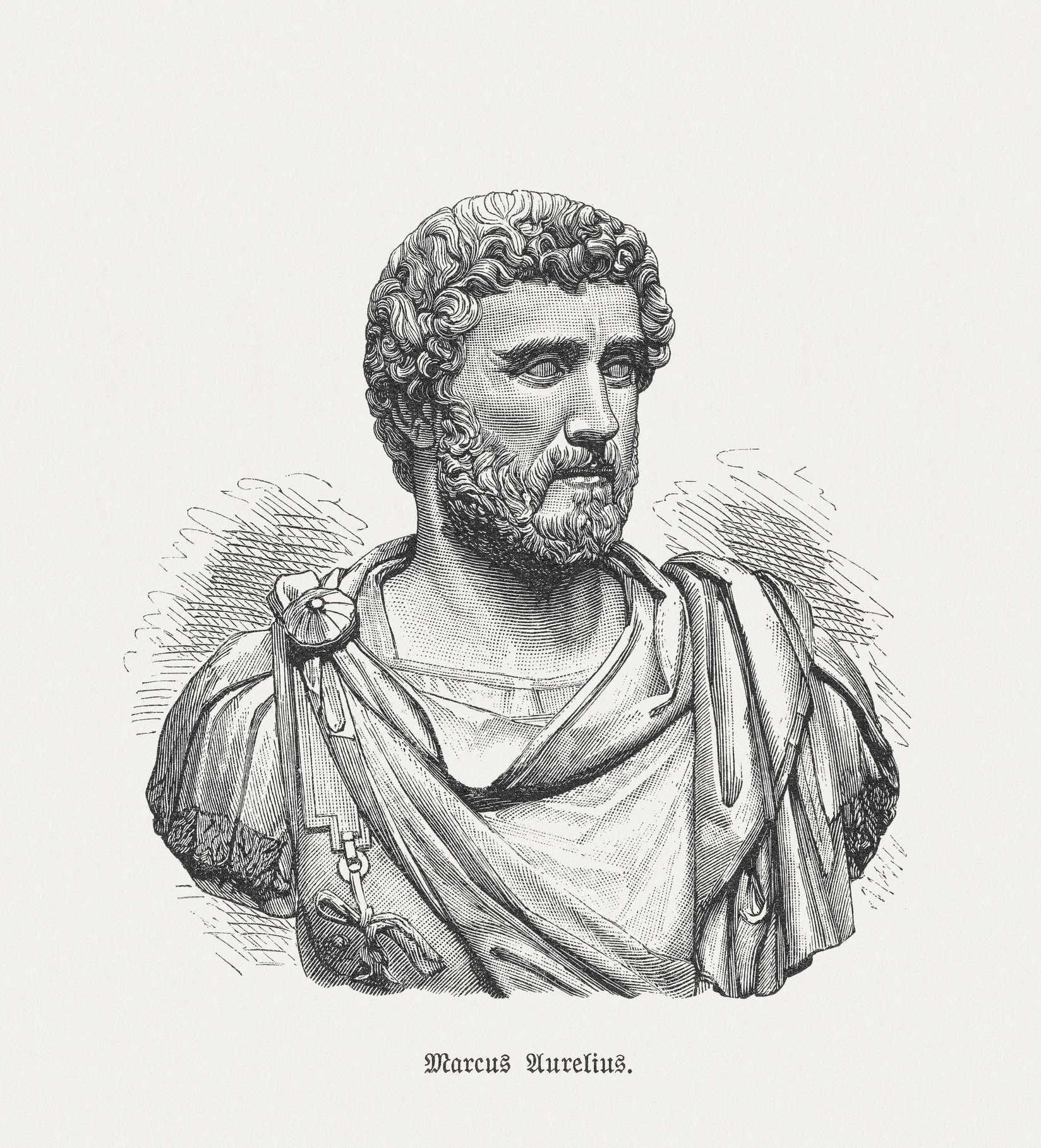
Clarity: Stoic Philosophy and Voluntary Simplicity
Clarity begins with restraint. It is the practice of directing attention intentionally rather than reacting to impulse. Stoic philosophy and voluntary simplicity offer practical tools for clearing distraction and seeing what actually matters — not as abstract ideas, but as daily habits that can be practiced and returned to.
Why Clarity Matters
Most people do not lack effort. They lack direction. Without clarity, attention fragments across impulses, advertising, and cultural noise, and effort gets spent on whatever is loudest rather than what is most important.
Clarity restores agency. It allows you to choose, deliberately, what deserves your time, your energy, and your resources — rather than having those choices made for you by whatever demands your attention first.
The Four Foundations of Clarity
Restraint
Learning to pause before reacting. This is the root skill underneath everything else in this pillar: the space between stimulus and response, where a real choice becomes possible.
Voluntary Simplicity
Reducing unnecessary consumption. Not as deprivation, but as a way of removing what doesn’t serve the life you’re actually trying to live, so what remains has more weight and more attention.
Attention
Directing awareness intentionally, rather than letting it be pulled wherever the most persistent input leads it. Attention is a finite resource; clarity treats it as one worth protecting.
Perspective
Seeing events without exaggeration. The Stoics called this seeing things as they truly are — separating a situation from the emotional amplification we often add to it, so it can be responded to clearly rather than reactively.
Practices That Build Clarity
- Morning reflection. Review priorities before the day begins, so the day’s actions are chosen rather than simply reacted into.
- Limiting distraction. Reduce unnecessary inputs — notifications, noise, and consumption that adds nothing but competes for attention anyway.
- Intentional consumption. Choose deliberately what enters your attention and your life, whether that’s media, possessions, or commitments.
- Evening review. Reflect on the day’s actions and decisions, closing the loop that morning reflection opens.
Together, these form a simple daily rhythm: set intention in the morning, guard attention through the day, and review honestly in the evening.
Clarity Within the Path
Clarity anchors the Sacred Nectar Path. Without it, the other pillars drift from their purpose: vitality becomes indulgence rather than genuine nourishment, wealth becomes accumulation for its own sake rather than a tool for independence, and stewardship becomes sentiment rather than sustained action. Clarity is what keeps the whole practice aligned with intention rather than habit or impulse.
Practice clarity. Begin with small acts of restraint and attention.