What Is Forest Bathing?
A Simple Overview
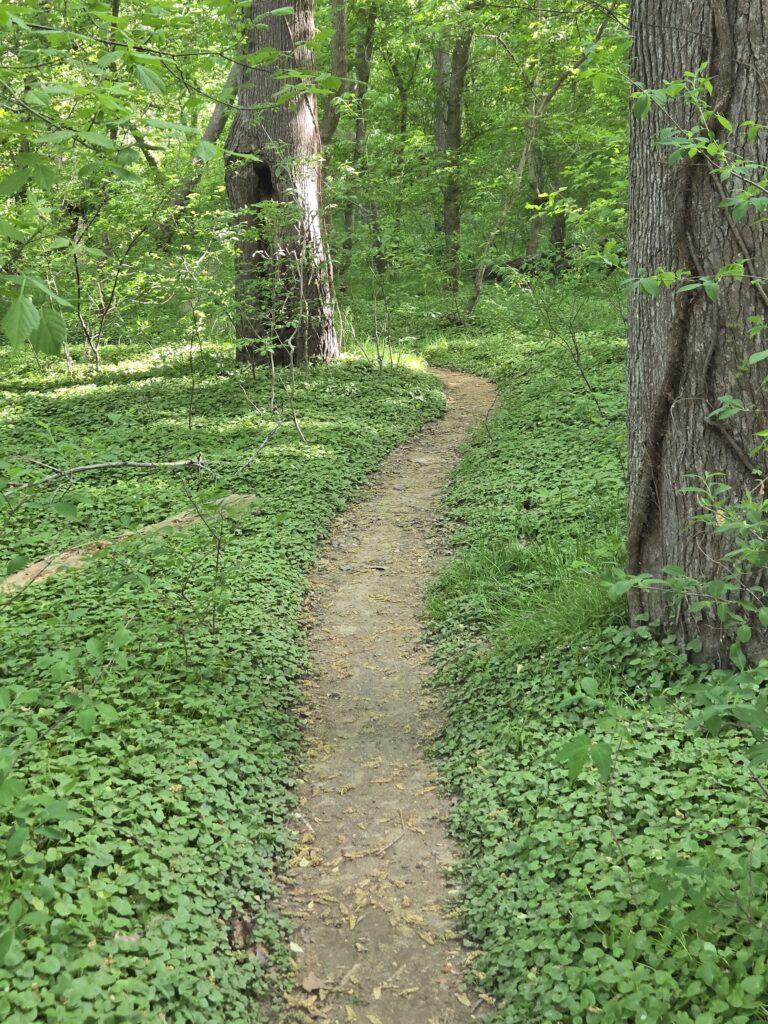
Forest bathing is the practice of immersing yourself in the atmosphere of the forest. It is not about hiking, exercising, or reaching a destination. Instead, it is about slowing down, engaging your senses, and being present with the natural world.
In a forest bathing experience, you might:
- Notice the subtle movement of leaves in the wind
- Listen for the quietest and loudest sounds around you
- Feel the texture of bark, moss, or soil
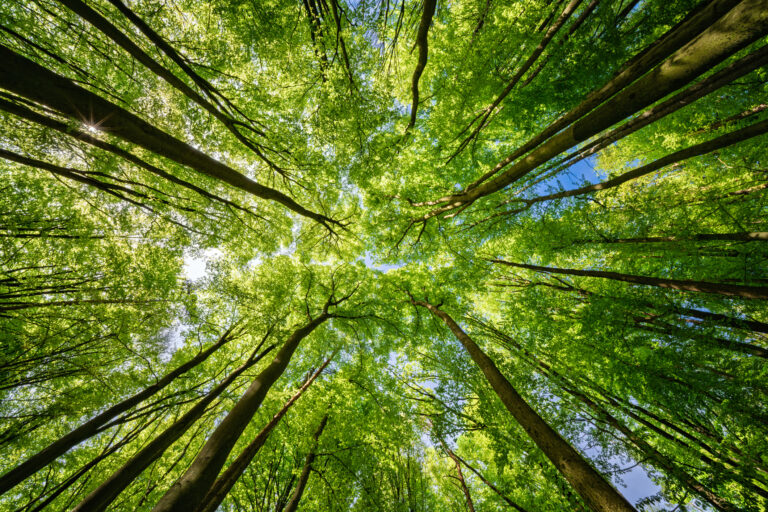
- Observe light and shadow shifting through the canopy
The goal is not to do, but to be.
At its core, forest bathing is a return to a more natural pace—one that allows your body and mind to settle.
Origins of Forest Bathing
Forest bathing originated in Japan in the early 1980s as a public health initiative. The Japanese government introduced Forest Bathing—known in Japan as Shinrin-yoku 森林浴— as a response to rising stress levels, burnout, and the health impacts of urban living.
Over time, researchers began studying its effects. They found that time spent mindfully in forests could:
- Lower cortisol (stress hormone)
- Reduce blood pressure
- Improve mood and focus
- Support immune function
Today, forest bathing is practiced worldwide and supported by a growing body of scientific research. What began as a cultural practice has become a global movement toward reconnecting with nature.
Forest Bathing vs. Forest Therapy
These terms are often used interchangeably, but there are meaningful differences.
Forest Bathing
- A practice anyone can do on their own
- Often on certified trails
- Informal and unstructured
- Focused on personal health benefits
- No guide required
Forest Therapy
- A guided, structured experience led by a trained practitioner
- Uses a sequence of “invitations” to deepen sensory awareness
- Focused on relationship with other-than-human world.
- Follows a deliberate, slow pace
- Often includes a closing tea ceremony or reflection
A helpful way to think about it:
Forest bathing is the practice.
Forest therapy is the guided experience.
In forest therapy, the guide does not “teach” or interpret nature. Instead, they open the door for participants to form their own relationship with the more-than-human world.
Health Benefits of Forest Bathing
Modern life pulls us into constant stimulation, speed, and abstraction. Forest bathing offers a counterbalance—one that is both simple and powerful.
1. Reduced Stress and Anxiety
Spending time in nature has been shown to lower cortisol levels and calm the nervous system. Many participants report a deep sense of stillness and relief.
2. Improved Mood and Mental Clarity
Forest environments help reduce mental fatigue and restore attention. This can lead to clearer thinking, improved creativity, and a more balanced emotional state.
3. Enhanced Immune Function
Trees release compounds called phytoncides, which have been linked to increased activity of natural killer (NK) cells—an important part of the immune system.
4. Better Sleep
By regulating stress hormones and encouraging relaxation, forest bathing can support more restful sleep.
5. Stronger Sense of Connection
Beyond physical benefits, many people experience a renewed sense of connection—to nature, to others, and to themselves.
Why It Matters
In a world where much of life happens indoors and on screens, forest bathing is a simple way to reconnect with something essential.
It does not require special equipment, training, or even a deep wilderness. A small park, a grove of trees, or a quiet trail can be enough.
What matters is your presence.
A Simple Way to Begin
If you want to try forest bathing on your own:
- Go somewhere with trees
- Leave your phone in your pocket
- Move slowly—much slower than usual
- Let your senses guide you
- Stay for at least 20–30 minutes
There is no right way to do it.
Just arrive—and notice what happens.