Vitality: Real Food, Eustress, and the Energy to Practice
Vitality is the cultivation of physical energy through nourishment and challenge. It is not comfort. The body thrives on balanced stress — movement, exertion, and real food drawn from living systems, not industrial formulation. Within the Sacred Nectar Path, vitality is the foundation the other pillars stand on: without it, clarity dulls, discipline weakens, and stewardship of land and resources becomes difficult to sustain.
This piece lays out what vitality actually means in practice, why it matters to the wider path, and the specific, doable habits that build it.
Why Vitality Matters
The body is the vessel through which life energy is experienced. Every other part of the practice — attention, discipline, the ability to steward land and resources — depends on the body having the energy to carry it out.
When vitality declines, the effects show up quickly and everywhere else:
- Attention dulls. A depleted body struggles to stay present, whether on a forest walk or in ordinary daily life.
- Discipline weakens. Consistent practice requires physical reserve; when that reserve is gone, good intentions don’t hold.
- Stewardship falters. Caring for land, home, or community takes real physical energy — it isn’t sustained by willpower alone.
Strengthening the body strengthens the entire system. This is why vitality isn’t treated as a separate wellness goal here — it’s treated as infrastructure.
The Four Foundations of Vitality
Real Food
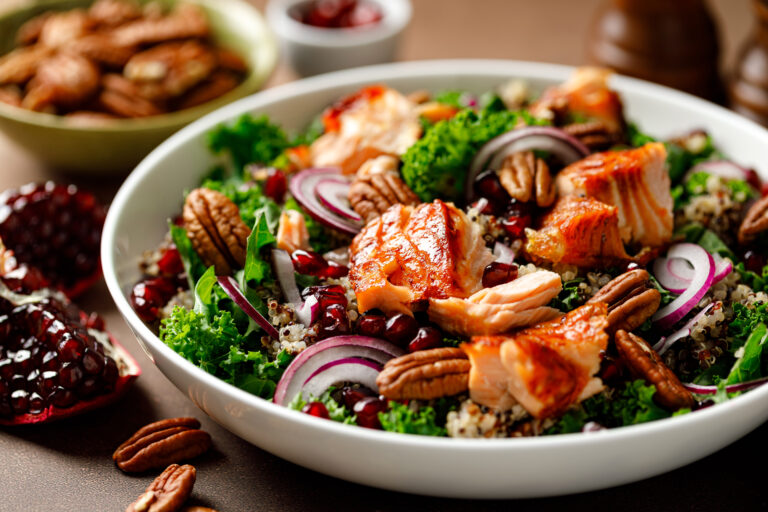
Food that comes from living systems, not industrial formulation. This means food grown in soil, raised in pasture, or gathered from intact ecosystems, rather than assembled in a factory from isolated ingredients. Real food carries its nourishment intact; formulated food often doesn’t.
Eustress
Eustress is positive stress — the kind that stimulates adaptation rather than depletion. Physical challenge, temperature shifts, and honest exertion all belong here. The body doesn’t grow stronger in comfort; it grows stronger in response to demands it’s given the chance to meet and recover from.
Rest
Eustress only strengthens the body if it’s followed by real recovery. Rest is not the absence of practice — it’s the half of the cycle where adaptation and repair actually happen. A body pushed without rest doesn’t build vitality; it simply breaks down.
Consistency
Vitality isn’t built through occasional intensity. It accumulates through small, repeated daily practices — the kind that are easy to dismiss individually but compound significantly over months and years.
Practices That Build Vitality
A few concrete ways to put these foundations into daily practice:
- Whole-food nourishment. Favor simple, minimally processed foods over packaged or reformulated ones. This doesn’t require perfection — it requires a consistent bias toward food that resembles what it started as.
- Intentional physical effort. Walking, lifting, rowing, swimming, carrying, yoga — any movement chosen deliberately rather than incidentally. The specific activity matters less than the intention behind it.
- Temperature exposure. Cold and heat that stimulate the body’s own adaptive response — a cold shower, a sauna, a brisk walk in winter air.
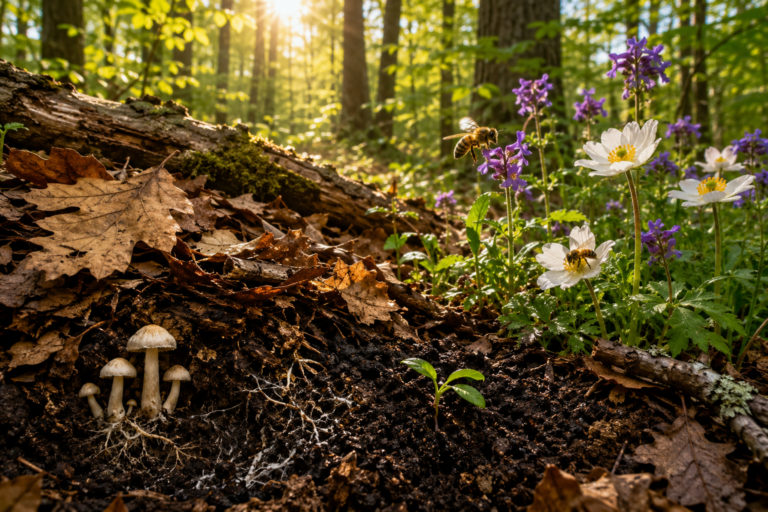
- Outdoor movement. Activity that happens within natural environments rather than purely indoor, controlled spaces. A <cite index=”0-0″>forest therapy walk</cite> is itself a form of this — slow, deliberate movement in a living system, which serves both vitality and clarity at once.
Real Food, In Practice
The Sacred Nectar Path adopts a simple governing principle, borrowed from food writer Michael Pollan: eat real food, not too much. Food grown in soil, raised in living systems, and prepared with care nourishes both personal vitality and the broader practice of stewarding the land it came from. The two aren’t separate concerns — how you eat is itself a form of stewardship.
Vitality Within the Path
Vitality gives the Sacred Nectar Path its energy. Without it, clarity weakens, discipline fades, and the capacity to steward land and resources declines. This is the throughline worth remembering: physical vitality isn’t a self-contained wellness category sitting alongside the other pillars. It’s what makes the rest of the practice possible.
Practice vitality. Nourish the body. Welcome challenge.