Rethinking lawns

The history of lawns in the United States is a reflection of cultural, economic, and environmental change. Here’s a concise overview:
Colonial Era to 1800s: European Influence
Lawns in the U.S. trace their origins to European aristocratic estates, where manicured grass symbolized wealth and leisure. Early American colonists adopted similar aesthetics, though lawns were rare due to labor demands and the prioritization of farmland. The concept gained traction among the wealthy, who emulated British landscaping trends such as those seen at Versailles and in the English countryside.
Mid-1800s: Suburban Emergence and the Lawn Ideal
In the 19th century, with the rise of landscape architecture (e.g., Frederick Law Olmsted’s design of Central Park), lawns became more accessible symbols of civility and order. The development of suburbs and public parks emphasized open green spaces, reinforcing the lawn as a desirable feature of American homes.
Post-WWII Boom: Lawns as a Norm
The 1950s marked a turning point. The postwar economic boom, suburban expansion, and mass housing developments (like Levittown) standardized front lawns as a cultural norm. The invention of affordable lawnmowers and widespread use of synthetic fertilizers, herbicides, and irrigation systems made it easier for middle-class families to maintain tidy, uniform lawns.
Late 20th Century to Present: Environmental Concerns
By the late 20th century, the environmental costs of lawns—high water use, chemical runoff, biodiversity loss, and the displacement of native plants—sparked growing criticism. Movements advocating for xeriscaping, native plants, and pollinator-friendly yards began challenging the conventional lawn ideal.
Today: Shifting Perspectives
Today, more Americans are rethinking traditional lawns. Eco-conscious homeowners, municipalities, and environmental groups promote sustainable alternatives like clover lawns, meadow gardens, and rewilding. This shift reflects broader efforts to combat climate change, conserve water, and support pollinator populations.
Lawns have a significant impact on the environment—both directly and indirectly—often in ways that are at odds with ecological sustainability. Here’s a breakdown of the key environmental effects:
1. Water Use
- High Consumption: Lawns require a lot of water to stay green, especially in arid regions. In the U.S., landscape irrigation accounts for nearly one-third of all residential water use.
- Water Waste: Much of this water is lost to evaporation or overwatering, contributing to resource depletion and water scarcity.
2. Chemical Pollution
- Fertilizers and Pesticides: Lawns are often treated with synthetic chemicals to maintain their appearance. These substances can run off into waterways, causing:
- Algal blooms
- Fish kills
- Contamination of drinking water sources
- Algal blooms
- Soil Degradation: Repeated chemical use depletes soil biodiversity and health over time.
3. Biodiversity Loss
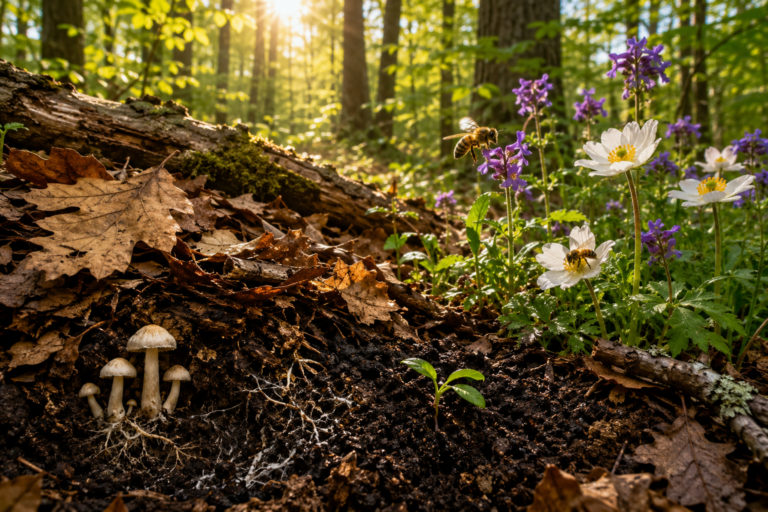
- Monoculture Ecosystems: Traditional turfgrass lawns provide little to no habitat or food for pollinators, birds, or other wildlife.
- Habitat Destruction: Lawns often replace native plant ecosystems that support local biodiversity.
4. Greenhouse Gas Emissions
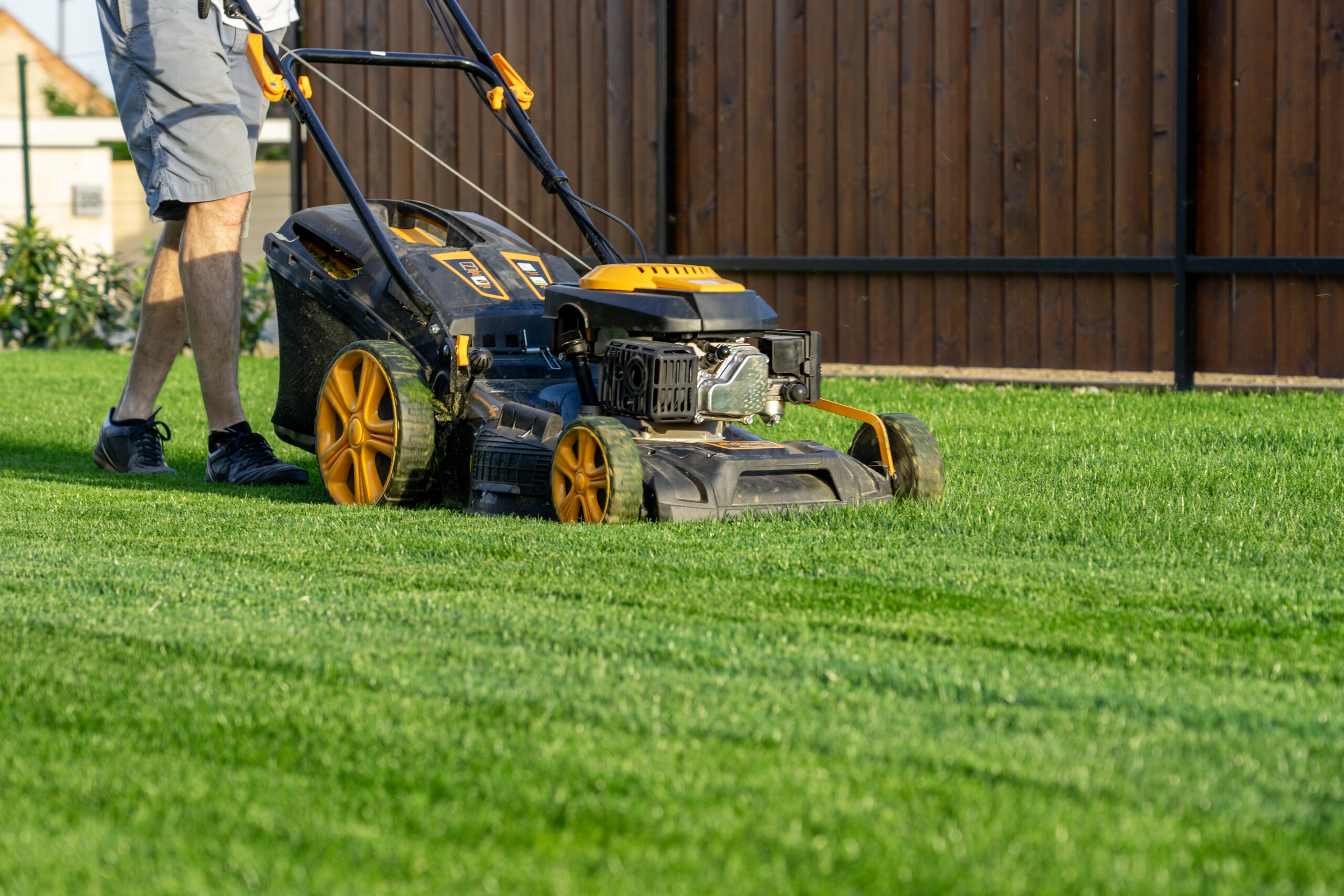
- Maintenance Equipment: Gas-powered mowers, trimmers, and blowers emit carbon dioxide and other pollutants, contributing to air pollution and climate change.
- Fertilizer Production: Synthetic fertilizer manufacturing and application release nitrous oxide, a potent greenhouse gas.
5. Soil and Carbon Impact
- Low Carbon Sequestration: Compared to forests, prairies, or even wildflower meadows, lawns store very little carbon in the soil.
- Soil Compaction: Frequent mowing and foot traffic can compact soil, reducing its health and ability to support life.
6. Invasive Species Spread
- Many popular lawn grasses are non-native species that can outcompete native plants if they spread beyond the yard.
More Sustainable Alternatives
To reduce these environmental impacts, many people are shifting toward:
- Native plant landscaping
- Pollinator gardens
- Clover or low-mow lawns
- Xeriscaping in dry regions
Here’s a clear comparison between traditional lawns and eco-friendly alternatives, focusing on key environmental and practical factors:
| 🌿 Traditional Lawns vs. Eco-Friendly Alternatives | ||
| Category | Traditional Lawns | Eco-Friendly Alternatives |
| Plant Type | Non-native turfgrass (e.g., Kentucky bluegrass) | Native plants, clover, wildflowers, drought-tolerant species |
| Water Use | High—requires frequent watering, especially in dry regions | Low—native/drought-tolerant plants need little to no irrigation |
| Chemical Use | Common use of synthetic fertilizers, herbicides, pesticides | Minimal or none—native plants usually thrive without chemicals |
| Biodiversity Support | Very low—monoculture with little food or shelter for wildlife | High—supports bees, butterflies, birds, and other pollinators |
| Carbon Footprint | High—gas-powered mowing, fertilizer production, etc. | Low—less maintenance, no emissions from mowing if unmowed areas |
| Soil Health | Often poor due to compaction and chemical use | Healthy—enhanced by deep-rooted plants and natural composting |
| Maintenance | High—frequent mowing, watering, fertilizing | Low—occasional pruning or weeding depending on the design |
| Visual Appeal | Uniform green appearance | Natural, varied beauty—changing colors, textures, and wildlife |
| Cost Over Time | High—ongoing inputs and labor | Lower—initial setup may cost more, but long-term upkeep is minimal |
🌼 Popular Eco-Friendly Options:
- Clover Lawns: Soft, low-growing, nitrogen-fixing, and bee-friendly.
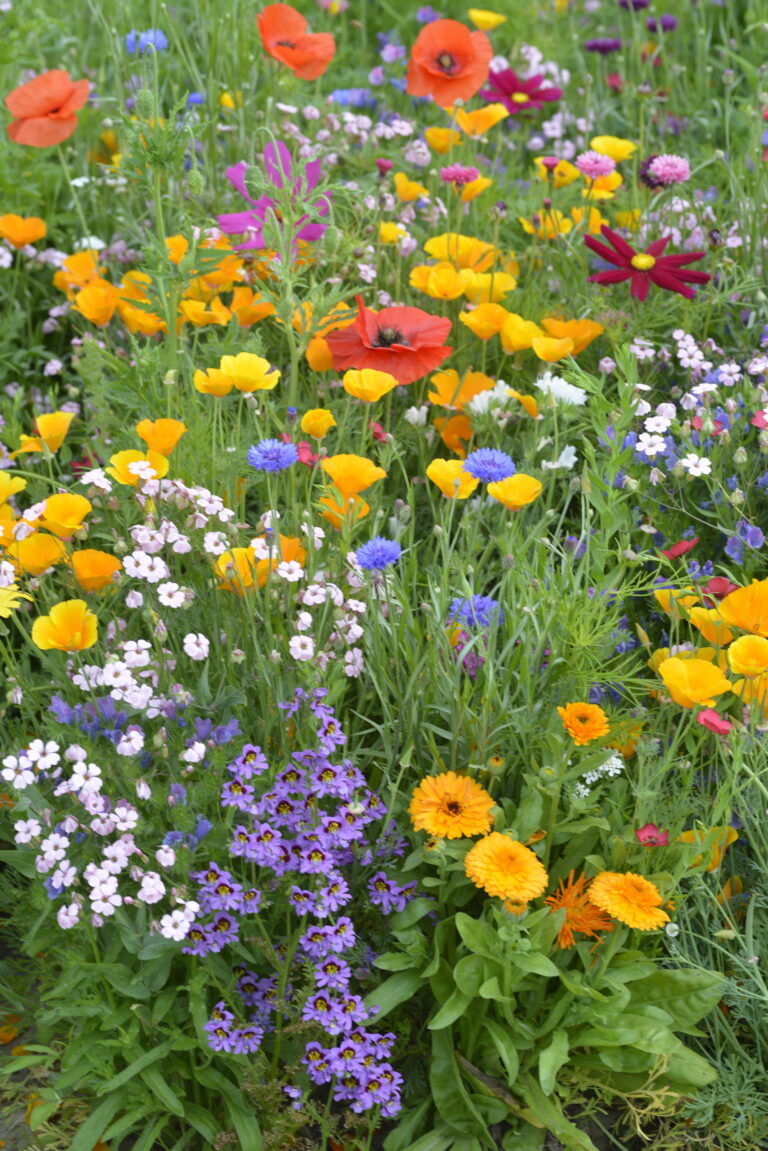
- Wildflower Meadows: Seasonal beauty and pollinator support.
- Native Plant Gardens: Designed for your local ecosystem; low water and maintenance needs.
- No-Mow/Low-Mow Lawns: Use fine fescues or other low-maintenance grasses.