A Simple Guide to Plastic-Free Grocery Shopping

Introduction
Plastic pollution is one of the most urgent environmental challenges of our time — and food packaging is a major culprit. Globally, over 40% of all plastic produced is used just once, often for packaging, before being thrown away.
Food packaging — from cling wrap to snack wrappers and frozen meal trays — is designed for convenience, not sustainability. Most of it ends up in landfills, incinerators, or the environment. Because plastic takes hundreds of years to degrade, it accumulates in ecosystems, chokes wildlife, and breaks down into microplastics that are now found in our air, soil, water, and even the food we eat. (Microplastics shed by food packaging are contaminating our food and drink, study finds)
Despite increasing awareness, less than 10% of plastic is actually recycled, and many food wrappers are non-recyclable due to their mixed materials and food contamination.
It’s about protecting your health, the planet — and the people who come next. Many plastics used in food packaging contain harmful chemicals like BPA, phthalates, and PFAS (so-called “forever chemicals”) that can leach into your food, especially when heated or stored long-term. These chemicals are linked to hormonal disruptions, reproductive issues, inflammation, and even certain cancers. Microplastics have been found in human blood, lungs, and placentas, though the full long-term effects are still unknown.
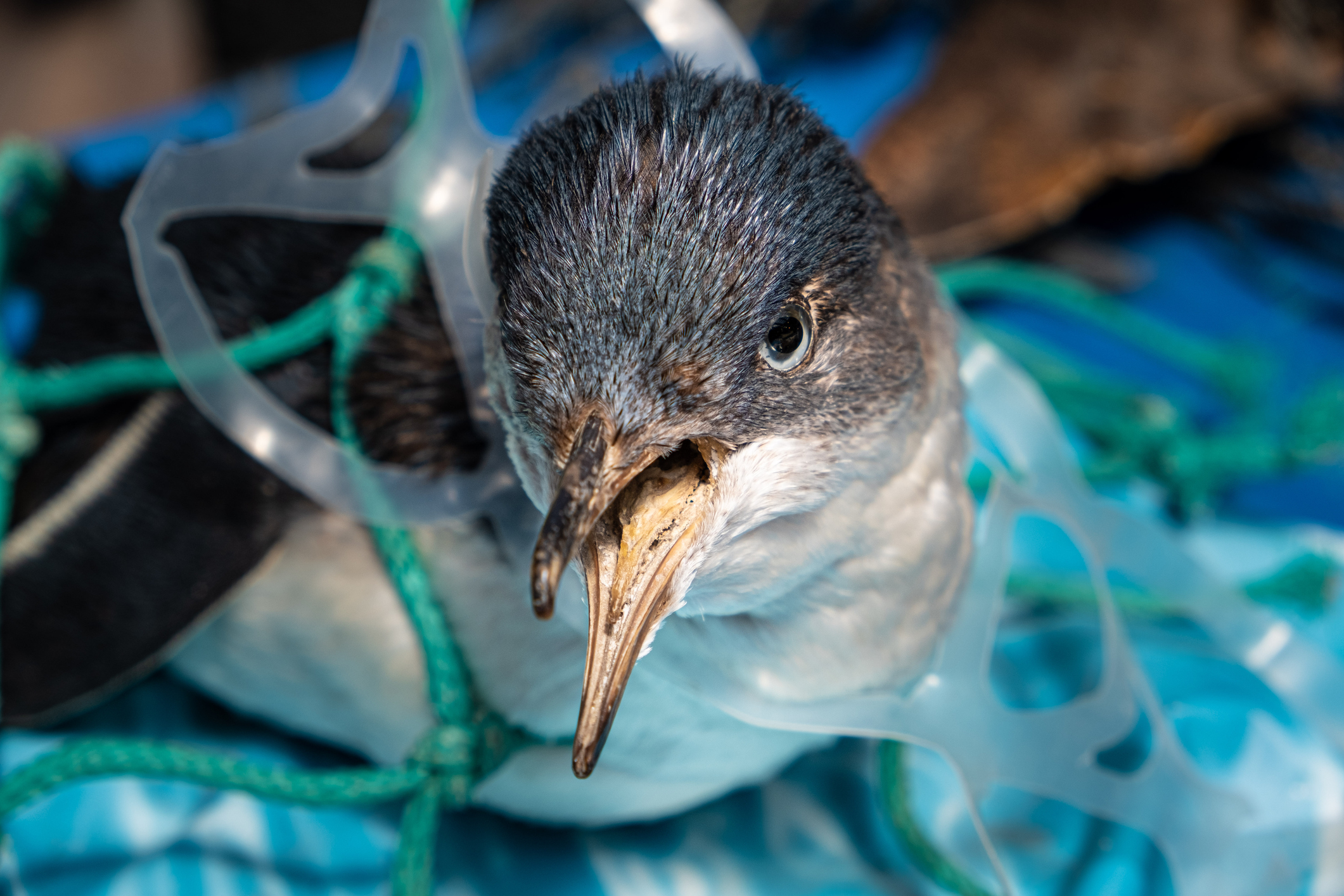
Plastic food packaging is rarely recyclable and often ends up as litter, in oceans, or in landfills where it persists for hundreds of years. Wildlife mistake plastic for food, leading to injury, poisoning, or starvation. Manufacturing plastic requires fossil fuels, contributing to climate change and environmental degradation.
Our plastic use today will outlive us by centuries. Every piece of disposable plastic ever made still exists in some form. Choosing reusable or low-waste options now helps build a more sustainable, livable future for our children and grandchildren.
🗨️ “We don’t inherit the Earth from our ancestors — we borrow it from our children.”
Don’t worry if you can’t eliminate all plastic from your shopping right away — you don’t have to be zero-waste to make a difference.
Whether it’s bringing your own produce bag, choosing loose veggies instead of the wrapped ones, or switching one pantry item to a bulk option, every small step matters.
This isn’t about being perfect — it’s about being mindful, intentional, and consistent. Over time, small habits add up to real impact.
🌱 Start where you are. Use what you have. Do what you can.
Section 1: Understand the Problem
Plastic in the Food Industry
Stats on how much food packaging is plastic
A significant majority of food packaging is plastic. Food packaging is often multi-layered or contaminated, making it difficult to recycle. It typically has a short lifespan (minutes to days), yet persists in the environment for hundreds of years. It contributes to microplastic pollution in soil, waterways, and even in human bodies through food. Here are some key facts to illustrate the scale:
📊 Key Statistics:
- About 50% of global plastic waste comes from packaging, and food packaging is the largest share of that.
(Source: UNEP, 2021) - In the U.S., 63% of plastic packaging is used for food and beverage products.
(Source: EPA and industry reports) - Only 9% of all plastic ever produced has been recycled, and contaminated food packaging is rarely recyclable.
(Source: National Geographic, 2018) - In 2020, the global food packaging market used over 120 million tons of plastic, and it’s projected to increase due to population growth and convenience trends.
(Source: Statista, 2023) - Single-use plastics like film wrap, clamshell containers, and snack wrappers are among the top 10 items found in ocean cleanups.
(Source: Ocean Conservancy)
Why it’s hard to recycle food wrappers (multi-layered, contaminated)
Most food wrappers — like chip bags, granola bar sleeves, or frozen food pouches — are difficult or impossible to recycle through regular curbside programs.
- Multi-Layered Materials (Mixed Plastics & Foils). Many food wrappers are made from composite materials — layers of plastic, aluminum, and paper fused together. These layers can’t be separated easily, which makes recycling infeasible with standard equipment. These materials require specialized facilities (very rare) to process them — so they’re usually landfilled or incinerated.
- Example: A chip bag may have:
- A shiny aluminum layer to block light and oxygen
- A plastic outer layer for strength and printability
- A sealing layer to keep it airtight
- Food Contamination. Wrappers often have leftover food residue (sauces, oils, crumbs), and contaminated plastic cannot be recycled effectively. Dirty containers can spoil entire batches of recycling — so facilities reject them or divert them to landfill.
- Too Small or Thin. Soft plastics like film wrap, produce bags, or shredded packaging get tangled in recycling machinery, are too lightweight to be sorted properly, and often go unnoticed and bypass collection systems entirely.
- Lack of Infrastructure. Most municipal recycling programs are designed for rigid plastics (like bottles and containers), not flexible wrappers. Even if a wrapper is technically recyclable, if there’s no market or local capability, it won’t actually be recycled.
Environmental & health impacts of microplastics in packaging
| The “Age of Plastics”Geologists are using terms like “Plasticene” to describe a period within the proposed Anthropocene epoch where plastic pollution is a significant marker. (Rethinking geological concepts in the age of plastic pollution) While not an official geological epoch, the term “Plasticene” reflects the recognition by geologists and scientists of the profound and lasting impact of plastics on Earth, placing it as a key characteristic of the current, human-influenced era. Here’s why and what it means:The Anthropocene: This is a proposed, informal geological epoch where human activities have significantly impacted Earth’s geology and ecosystems, starting roughly around the mid-20th century.Plastic as a Marker: Plastics, due to their durability and widespread presence, are considered a key stratigraphic marker for the Anthropocene. They are accumulating in landfills, oceans, and even forming new rock types called plastiglomerates.The “Plasticene”: Scientists are using this term, a subdivision of the Anthropocene, to specifically highlight the era defined by the massive global distribution of plastics.Significance: The presence of plastics in the geological record provides evidence of humanity’s impact on the planet, serving as a lasting legacy. |
Plastic food packaging doesn’t just disappear when thrown away — it breaks down into tiny fragments called microplastics, and these particles are now everywhere: in oceans, soil, air, and even our bodies.
Environmental Impacts
Microplastics harm wildlife by being mistaken for food, leading to starvation, toxicity, or death. Plastic particles leach chemicals into groundwater and farmland, affecting crops and water quality. Microplastics don’t biodegrade — they accumulate and worsen over time, especially in marine environments.
Human Health Risks
We ingest microplastics through food, water, and even air. Studies have found them in bottled water, table salt, seafood, human blood, lungs, and even placentas. Many plastics contain additives like phthalates, BPA, and PFAS (forever chemicals), which can leach into food and act as endocrine disruptors. The health impacts are still being studied, but concerns include hormonal imbalance, reproductive issues, inflammation, and increased risk of chronic disease.
🗨️ “We’re essentially eating, drinking, and breathing plastic — and we don’t fully know what that means yet.”
Section 2: Plan Before You Shop
Mindset & Preparation
Make a shopping list with plastic-free alternatives
| ✅ Preferred | ❌ Avoid | |
| Produce | Whole, unpackaged fruits & vegetablesUse cotton or mesh produce bags | Pre-cut veggies in plastic trays |
| Bread & Bakery | Fresh bread from local bakeries (in paper or your own bag)Tortillas or bagels in paper sleeves | Sliced bread in plastic bags |
| Dairy & Eggs | Cheese cut fresh at the deli, wrapped in paper or your containerMilk in returnable glass bottles (check local dairies)Eggs in paper cartons | Cheese wrapped in plastic film Milk in plastic jugs |
| Meat & Fish | Ask butcher or fishmonger to use your own containerChoose meat wrapped in butcher paper | Pre-packaged meats and frozen fish |
| Dry Goods & Grains | Bulk bins: rice, beans, oats, pasta, quinoaBring your own jars or cloth bags | Pasta in plastic bags |
| Snacks & Nuts | Make your own snacksBuy trail mix or nuts in bulkChoose brands with compostable or recyclable paper packaging | Chips, nuts, granola bars in plastic |
| Spices & Condiments | Buy spices in bulk or glass jarsCondiments in glass bottles or jars | Plastic spice jars and squeeze bottles |
| Frozen Foods | Freeze your own food in reusable containersChoose frozen items in cardboard (like peas or berries in paper boxes) | Plastic freezer bags and trays |
| Beverages | Refillable water bottleDrinks in glass or aluminumBrew coffee/tea at home instead of bottled drinks | Water and soda in plastic bottles |
Bring your own bags: tote bags, produce bags, glass jars, containers
Research local stores that support low-waste or bulk options (zero-waste shops, farmer’s markets, co-ops)
Section 3: Where to Shop
Best Places for Plastic-Free Food
Farmer’s Markets: buy direct, no packaging
If you’re trying to avoid plastic packaging, farmers’ markets are one of the best places to shop. They offer fresh, local produce and often use little to no plastic. Plus, you’re supporting small-scale farmers and artisans — a win for you, the planet, and your community. Example: FreshFarm Farmers Market
Why Farmers’ Markets Are Ideal for Plastic-Free Shopping
- Produce is typically sold loose, without plastic trays, stickers, or shrink wrap.
- Vendors are often open to using your containers or bags.
- Many sellers use paper bags or compostable packaging.
- You’ll find seasonal, local, and fresher food than in supermarkets.
- Great access to zero-waste-friendly items like fresh bread, honey, eggs, and homemade goods.
What to Bring
- Reusable tote bags for your haul
- Mesh produce bags for fruits and vegetables
- Glass jars or containers for bulk items, berries, or deli-style goods
- A cooler bag for dairy, meat, or eggs
- A notepad or app to jot down what’s in season
Tips for Shopping Smart
- Go early for the best selection or late for discounts.
- Ask vendors if they’ll reuse egg cartons, jars, or containers.
- Buy in bulk (e.g., 5 lbs of tomatoes) to reduce packaging overall.
- Build relationships — regulars may get access to plastic-free extras or swaps.
- Bring your own cup or container for coffee, juice, or hot food stands.
What You Can Usually Find Plastic-Free
- Fresh fruits and vegetables
- Herbs and salad greens
- Eggs (often in recyclable or reusable cartons)
- Bread and pastries (just say “no bag please”)
- Honey, jams, and sauces (usually in glass)
- Meats and cheeses (some vendors will use paper or your own container)
🗨️ Bonus Tip: Keep a “market kit” by your door with bags, jars, and containers so you’re always ready on market day.
Bulk Stores: grains, spices, nuts in your own container
If you’re trying to ditch plastic packaging, bulk stores are your best friend. These stores let you buy just the amount you need — without the waste — and often support bringing your own reusable containers. Example: Mom’s Organic Market
What Are Bulk Stores?
Bulk stores (also called refill or zero-waste shops) offer foods and household items in self-serve bins or dispensers, so you can:
- Avoid single-use packaging
- Buy exactly what you need (no more half-used bags of quinoa)
- Often save money by paying only for the product, not the packaging
What You Can Buy in Bulk
- Grains & legumes: rice, oats, beans, pasta, lentils
- Flour, sugar, baking ingredients
- Nuts, seeds, trail mix, dried fruit
- Spices & herbs
- Coffee & tea
- Snacks & sweets: pretzels, granola, chocolate
- Oil, vinegar, honey, syrup (at some locations)
- Soap, detergent, shampoo (at refill stations)
What to Bring
- Glass jars or containers (for things like lentils, pasta, liquids)
- Cloth or mesh bags (for produce, grains, snacks)
- Containers with lids for wet or oily goods
- A permanent marker or labels to mark what’s inside
Tip: Weigh (tare) your containers before filling them so you’re not charged for their weight. Many stores have a scale or will label them for you at checkout.
Plastic-Free Tips for Bulk Shopping
- Always ask staff if you’re unsure whether a product is plastic-free or where to tare your container.
- Choose paper twist ties or reusable clips instead of plastic scoops or bags.
- Store your bulk items at home in glass jars or tins to keep them fresh and visible.
- Start with 2–3 staples (like oats, rice, and coffee) so you don’t get overwhelmed.
Where to Find Bulk Options
- Dedicated bulk or zero-waste stores
- Natural food co-ops
- Some mainstream grocery chains have bulk aisles (like Whole Foods, Sprouts, or local health stores)
- Refill delivery services may exist in your area
🗨️ Shopping in bulk isn’t just plastic-free — it’s empowering, affordable, and surprisingly satisfying.
Bakeries: bring your own bag for bread
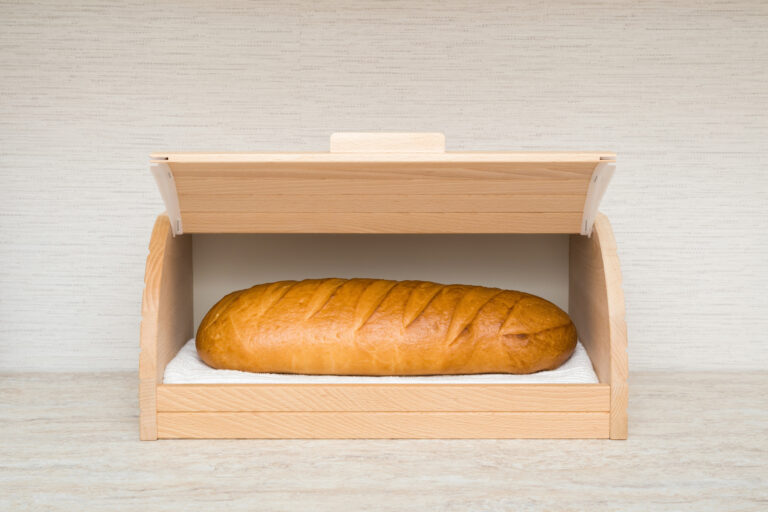
Most store-bought bread comes in plastic bags or trays, but your local bakery offers a fresher, more sustainable option. By shopping at bakeries, you can enjoy high-quality baked goods without the waste.
Why Bakeries Are a Plastic-Free Win
- Fresh breads are often sold unpackaged or in paper bags
- Bakeries are usually more flexible about using your own bags or containers
- You’ll get better taste, quality, and often fewer preservatives
- Supports small, local businesses rather than industrial food systems
What to Bring
- A cloth bread bag or a large cotton produce bag
- A clean pillowcase (great DIY solution for carrying loaves!)
- A reusable tote or basket for pastries and extras
- Beeswax wraps if you want to keep items fresher at home
Plastic-Free Items You Can Buy
- Fresh loaves (sourdough, baguette, rye, ciabatta)
- Rolls, bagels, and buns
- Croissants, muffins, and cookies
- Some bakeries offer quiche, pies, or sandwiches in paper or compostable packaging
Tips for a Zero-Waste Bakery Trip
- Go early for the best selection — popular loaves often sell out
- Ask staff if you can use your own bag — most are happy to accommodate
- Skip individually wrapped pastries — ask for them in a paper bag or box instead
- Store bread at home in a cloth bag or beeswax wrap, then freeze what you won’t eat within a few days
🗨️ Tip: If your bakery only offers plastic bags, ask if they’ll skip it and give you just the bread. Then put it directly into your own bag.
Butcher/Fish Market: ask if you can use your own container
Shopping at a local butcher or fishmonger gives you the chance to cut out the plastic — and get better quality food in the process.
Why It’s Worth It
- Less plastic: Most pre-cut meats are shrink-wrapped on foam trays. Butchers often wrap cuts in paper, or are willing to use your container.
- Fresher, better cuts: You get meat or fish cut to order — often from local or sustainably sourced suppliers.
- Support local businesses that are more likely to accommodate plastic-free requests.
What to Bring
- Glass or stainless steel containers with tight lids
- Beeswax wraps (great for smaller cuts)
- Reusable silicone bags
- A cooler bag or insulated tote for transport
Pro Tip: Write the tare weight on your container ahead of time (some shops will subtract this at checkout).
How to Ask
Don’t be shy — most butchers and fishmongers are happy to help. Just say:
“Hi, would you mind wrapping it in paper or putting it in my container? I’m trying to reduce plastic.”
You can even call ahead to confirm they’ll accommodate you — many will appreciate the heads-up.
What You Can Buy Plastic-Free
- Steaks, ground meat, roasts
- Poultry cuts or whole birds
- Sausages (some even sell them loose!)
- Fresh fish fillets or whole fish
- Shellfish and smoked fish
- Specialty items like pâté, jerky, or cured meats
🗨️ Choosing paper-wrapped or container-filled meat not only skips the plastic — it helps you connect with where your food comes from.
CSA Boxes & Farm Shares: local produce with minimal packaging
One of the easiest ways to skip plastic packaging and support sustainable agriculture is by joining a CSA (Community Supported Agriculture) or farm share program.
What Is a CSA or Farm Share?
A CSA is a subscription-style program where you buy a share of a local farm’s harvest. Each week (or every other week), you receive a box of fresh, seasonal produce — often with minimal or no packaging.
Many CSAs also offer add-ons like eggs, bread, dairy, and even meats — all delivered or picked up plastic-free or in reusable packaging.
Why CSAs Are Great for Plastic-Free Living
- Minimal packaging: Produce is often loose, bundled with twine, or wrapped in paper
- Reusable systems: Many programs use returnable crates, jars, or cartons
- Less waste: You eat what’s in season — no plastic trays or shrink wrap
- Supports local farmers who care about sustainability
- Builds connection to where your food comes from
How to Maximize Your CSA for Zero-Waste
- Bring your own tote or basket to pick-up sites
- Return empty jars, cartons, or crates if the farm uses a reuse system
- Plan meals around the box contents to avoid waste and use everything up
- Preserve extras (freeze, pickle, dehydrate) if you get more than you can eat
What You Might Receive in a CSA Box
- Seasonal fruits and vegetables (e.g., kale, radishes, tomatoes, carrots)
- Herbs and salad greens
- Farm-fresh eggs in paper or reusable cartons
- Bread wrapped in paper
- Cheese, yogurt, or milk in glass jars
- Local meat wrapped in butcher paper
🗨️ CSA boxes turn grocery shopping into a relationship — not just a transaction. And the Earth benefits, too.
Section 4: What to Buy (and How)
Plastic-Free Food Choices
- Fruits & Veggies: loose, unpackaged, or in paper/cardboard
- Grains, Legumes, Pasta: from bulk bins
- Meat & Dairy: direct from deli in reusable containers
- Baked Goods: from local bakeries or bulk sections
- Snacks: make your own or buy in compostable packaging
- Drinks: choose glass bottles, aluminum cans, or concentrates
Section 5: Tips for Success
Habits That Help
- Learn to say, “I brought my own bag/container” confidently
- Buy in bulk to reduce frequency of packaging
- Start small – replace one plastic-wrapped item a week
- Support businesses making packaging-free efforts
Section 6: What About Online Shopping?
Navigating Deliveries & Subscriptions
- Choose companies offering low-waste or reusable packaging
- Request minimal packaging in delivery notes
- Consider meal kits with compostable or reusable materials
Section 7: DIY & Make-at-Home Alternatives
Generally, the less processed a food is, the less likely it is to be wrapped in plastic. Not only is this good for the environment, it is also good for our bodies.
- Make your own snacks: granola bars, popcorn, trail mix
- Store food in beeswax wraps or glass containers
- Grow herbs and simple produce at home to reduce store trips
Reader Challenge:
- Try one plastic-free shopping trip this week
- Share your swaps for plastic-wrapped foods
- Share a photo of your plastic-free grocery haul