Articles
Reflections, practices, and essays on the Sacred Nectar Path.
These writings explore how clarity, vitality, independence, and stewardship are applied in daily life.
Featured Article
-
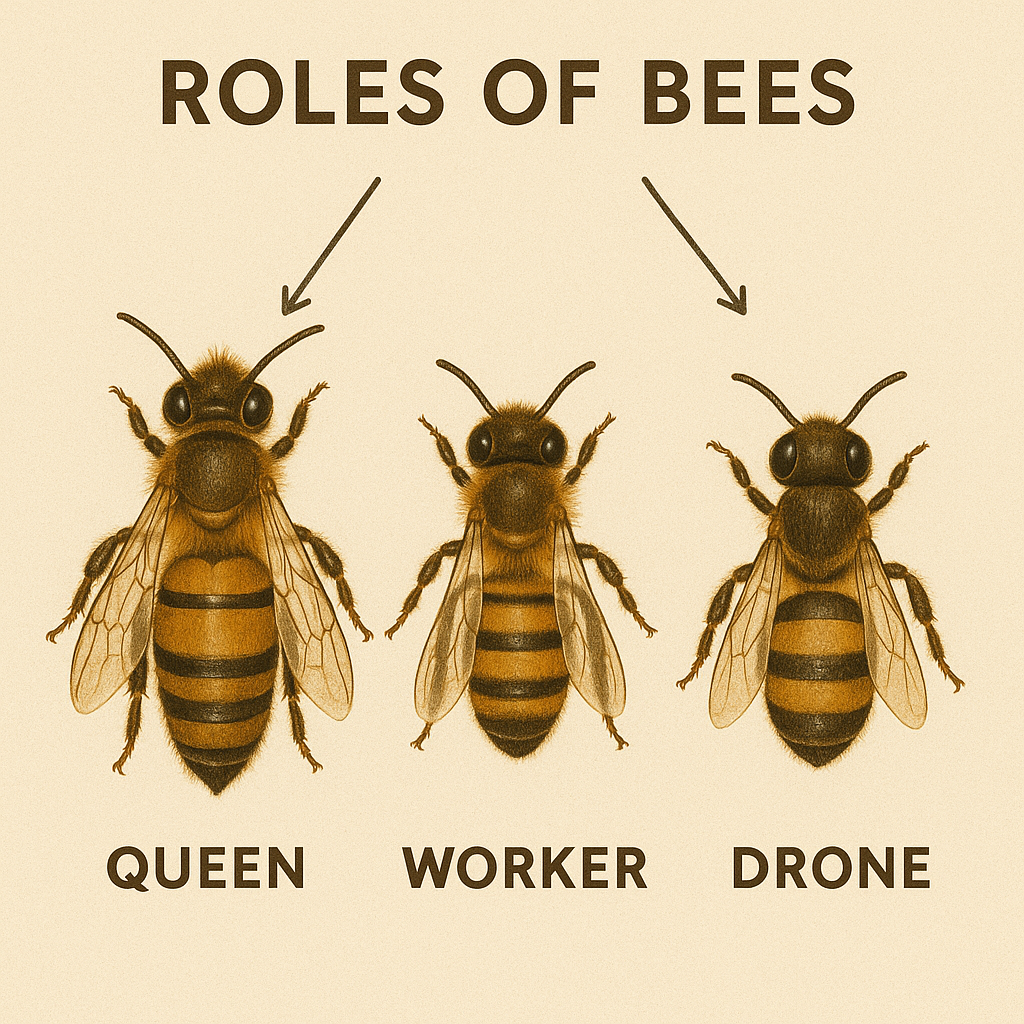
Roles of Bees
Bees in a colony have specific roles or castes that work together to ensure the hive’s survival and success. The three main types of bees in a honeybee colony are Queen Bee, Drone Bees, and Worker Bees. 🐝 1. Queen Bee The role of the queen bee is to be the reproductive leader of the…
-
Roles of Bees
Bees in a colony have specific roles or castes that work together to ensure the hive’s survival and success. The three main types of bees in a honeybee colony are Queen Bee, Drone Bees, and Worker Bees. 🐝 1. Queen Bee The role of the queen bee is to be the reproductive leader of the…
-
How to Store Fresh Bread Without Plastic
Keep your bread fresh — no plastic needed! Short-Term Storage (1–3 days) For bread you’ll eat soon: Use: Wrap the bread tightly and store it cut-side down on a cutting board or in a bread box. This keeps the crust crisp and the inside soft. 🚫 Avoid: Medium-Term Storage (3–7 days) If it won’t be…

-
A Simple Guide to Plastic-Free Grocery Shopping
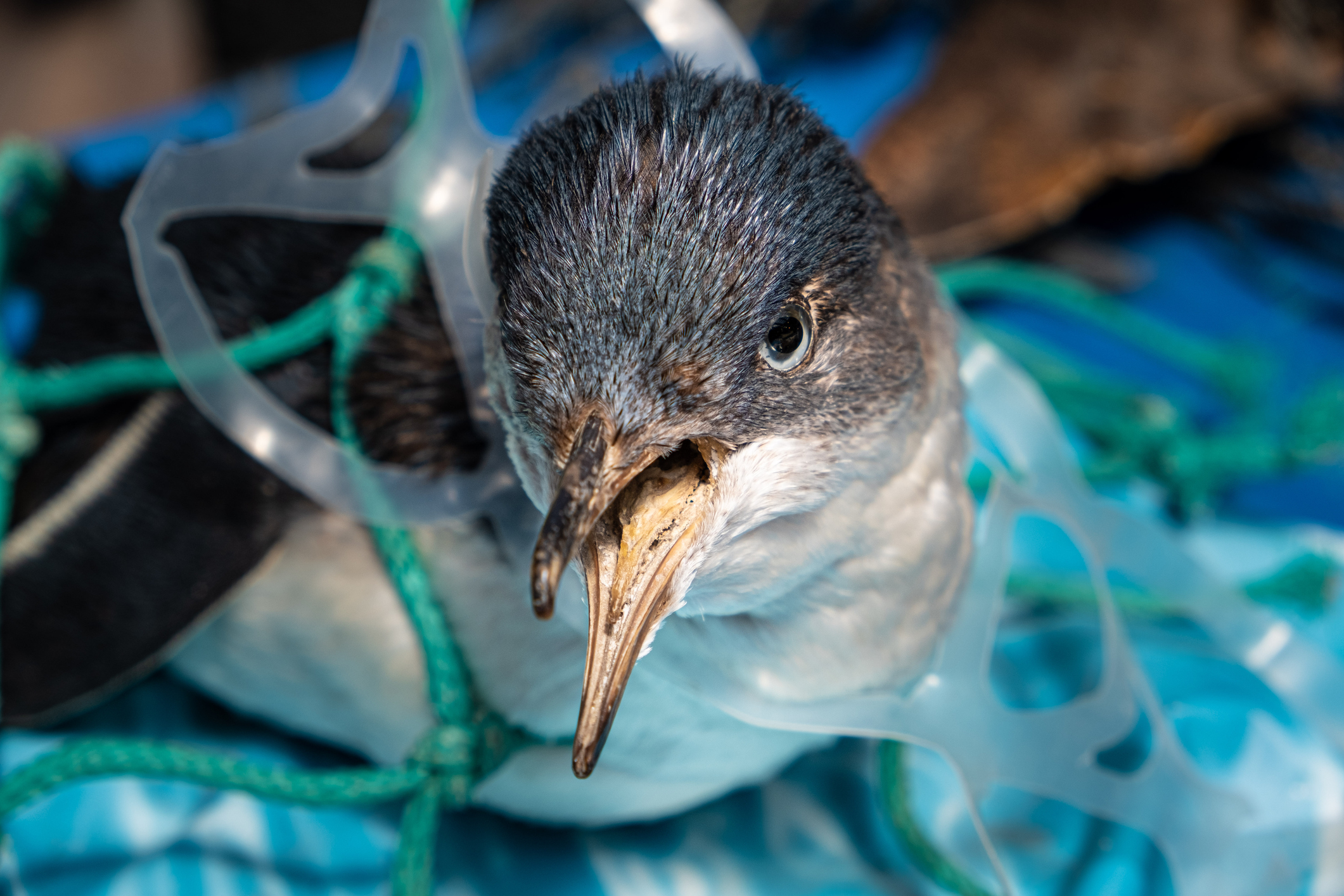
Introduction Plastic pollution is one of the most urgent environmental challenges of our time — and food packaging is a major culprit. Globally, over 40% of all plastic produced is used just once, often for packaging, before being thrown away. Food packaging — from cling wrap to snack wrappers and frozen meal trays — is…
-
Rethinking lawns
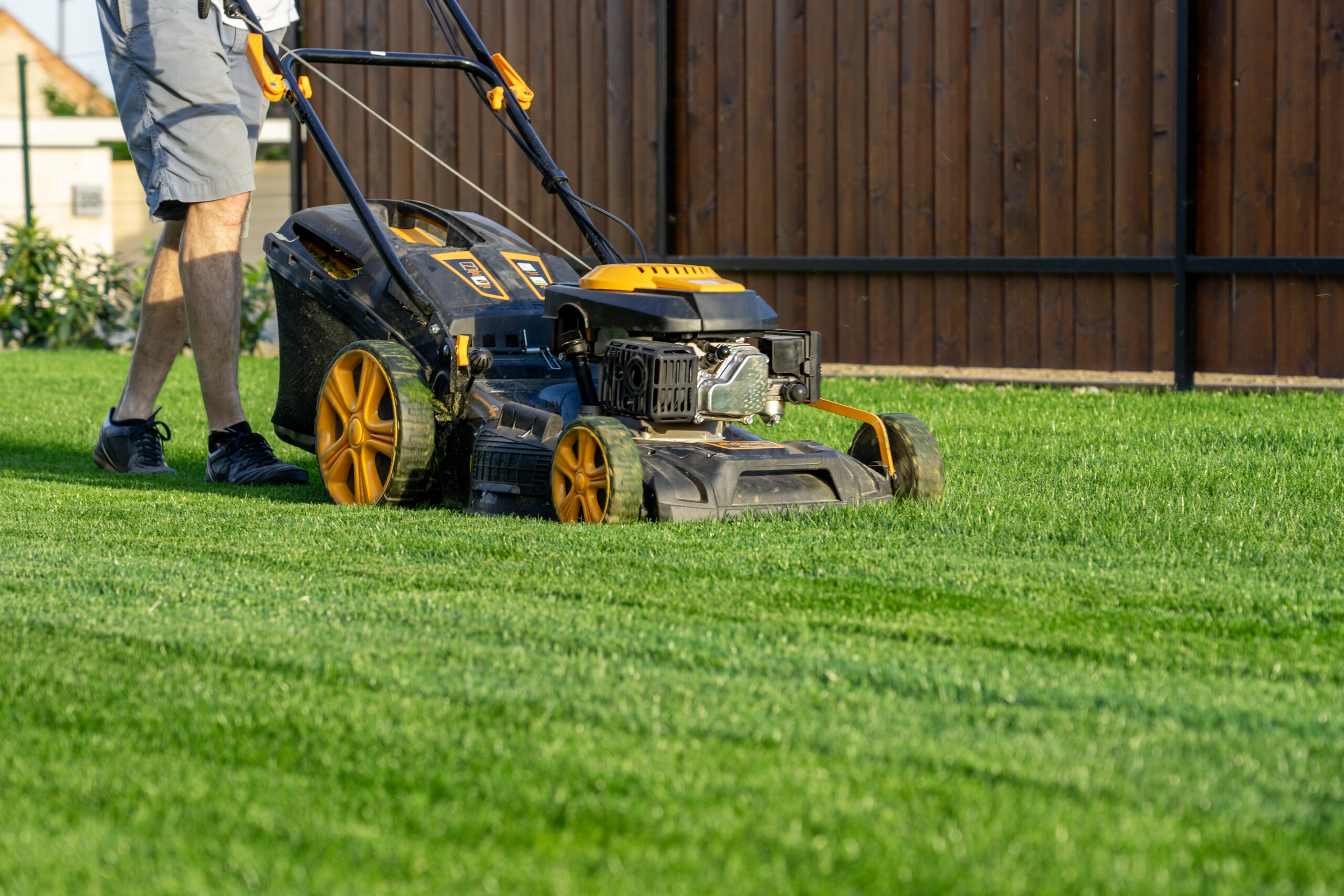
The history of lawns in the United States is a reflection of cultural, economic, and environmental change. Here’s a concise overview: Colonial Era to 1800s: European Influence Lawns in the U.S. trace their origins to European aristocratic estates, where manicured grass symbolized wealth and leisure. Early American colonists adopted similar aesthetics, though lawns were rare…
-
Grow Native Plants
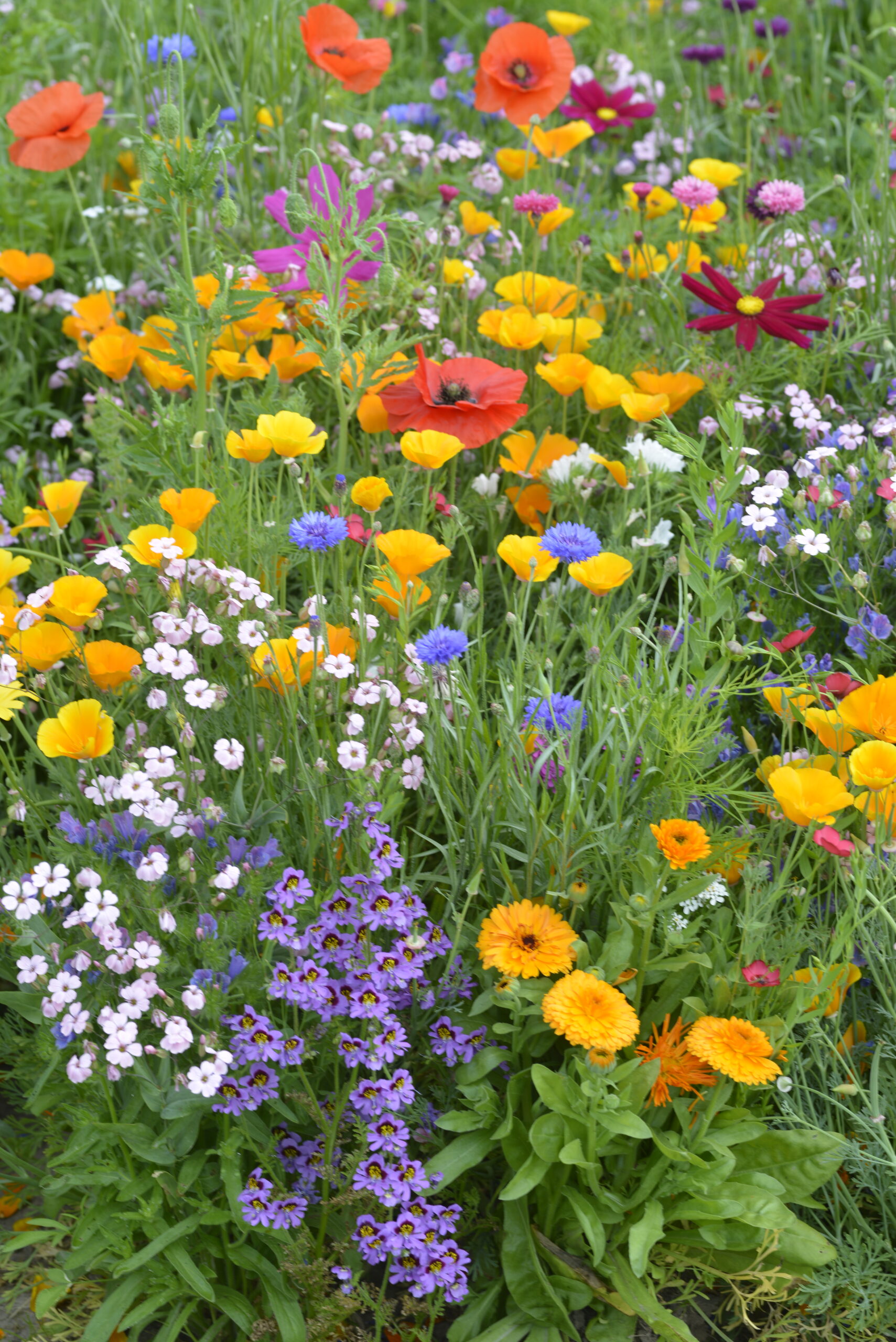
Growing native plants offers a range of environmental, economic, and aesthetic benefits. Environmental Benefits Supports Biodiversity Native plants provide essential food and habitat for local wildlife, including birds, pollinators (like bees and butterflies), and beneficial insects. Native plants provide food and habitat for local wildlife in deeply interconnected and time-evolved ways. Do Invasive Species Ever…
-
Vegetarian Diet for Anemia
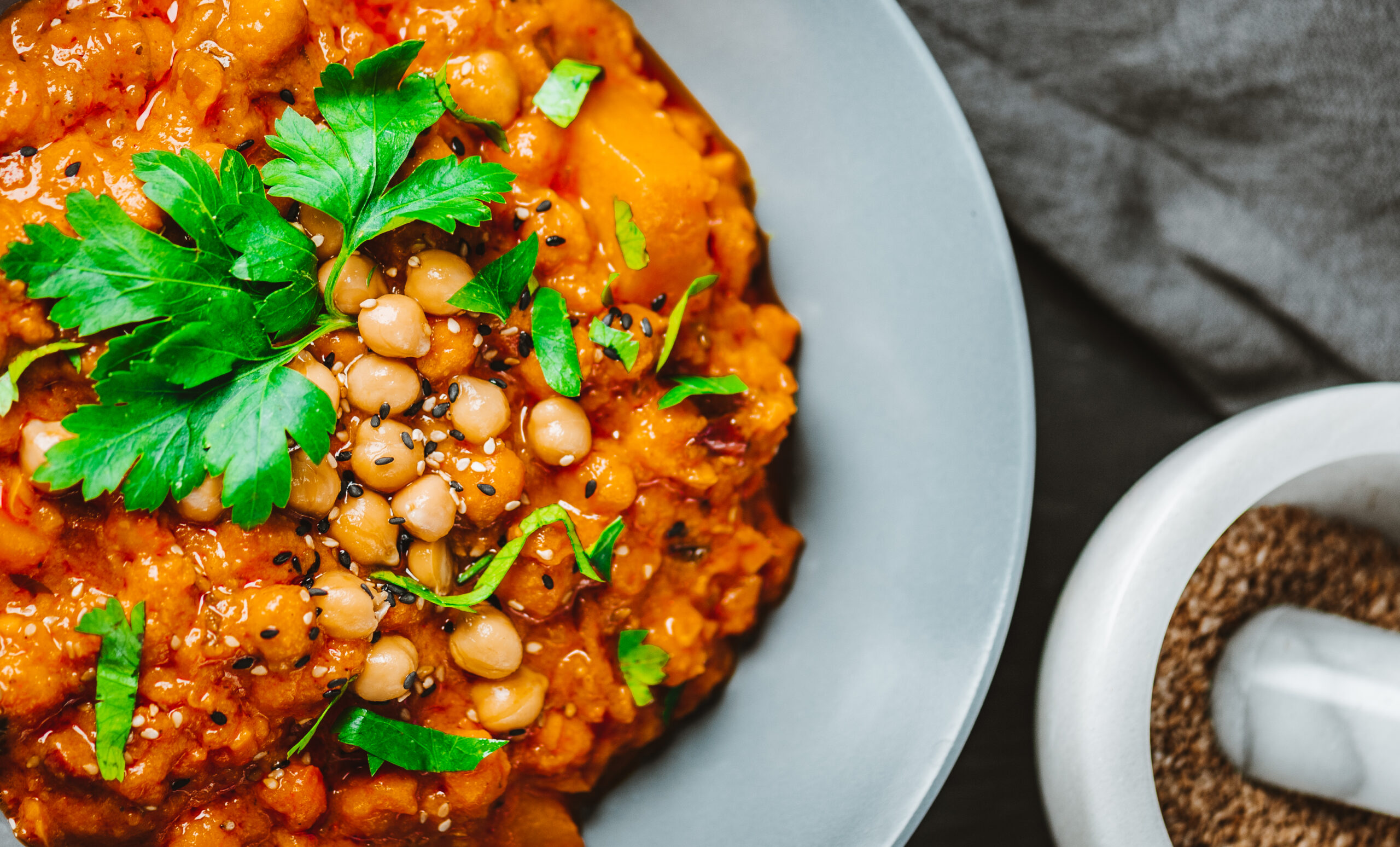
A well-planned vegetarian diet can effectively treat or prevent anemia. Designing a vegetarian diet for someone with anemia focuses on increasing iron intake, improving iron absorption, and ensuring overall nutrient balance. Since vegetarians don’t consume heme iron (from animal sources), it’s crucial to get non-heme iron from plant sources and pair it with vitamin C to boost absorption. The key is to: Daily…
-
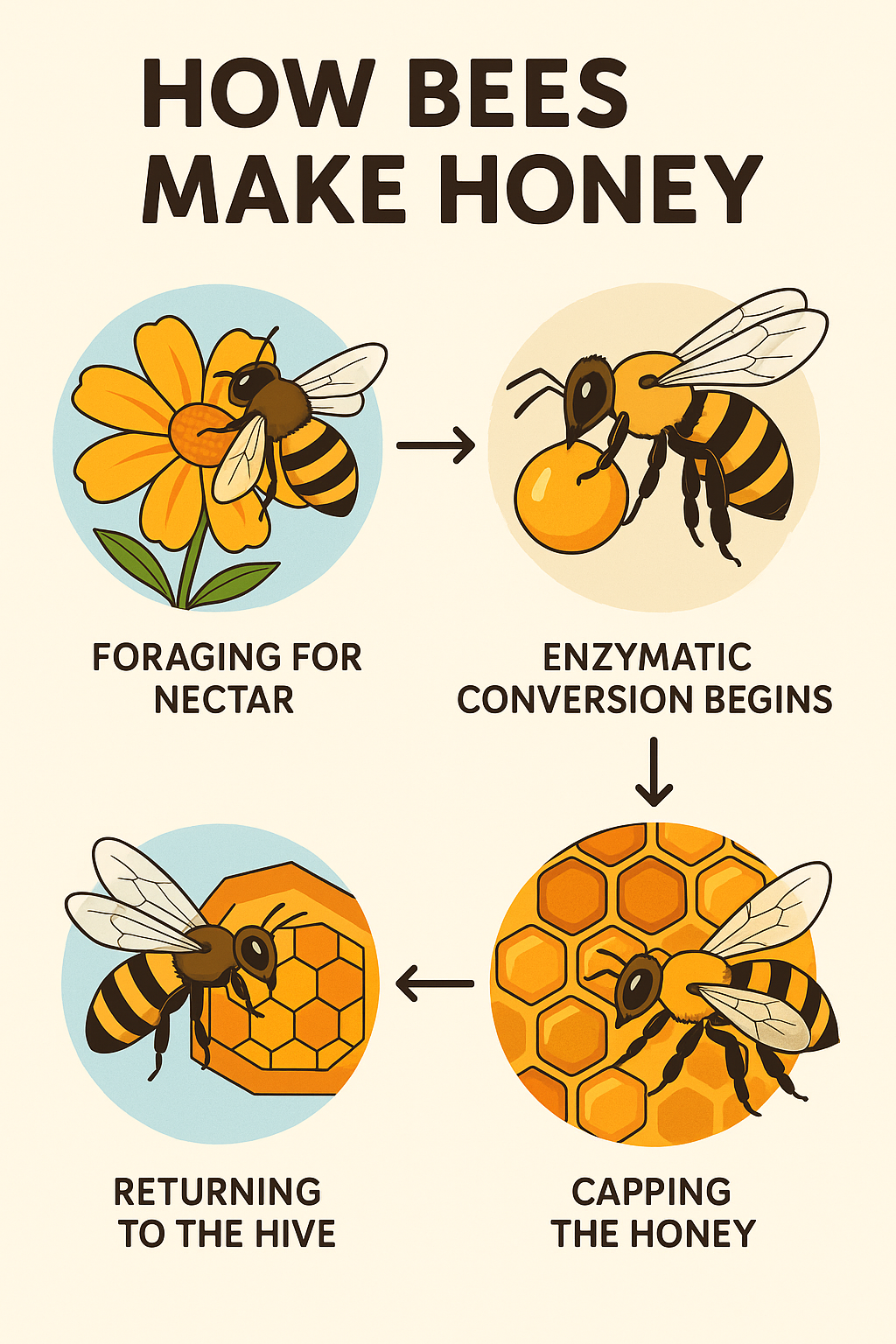
How Bees Make Honey
Bees make honey through a fascinating multi-step process that transforms flower nectar into the thick, sweet substance we know as honey. Here’s how it works: Why Honey Doesn’t Spoil Honey is only about 17–18% water, which is too low to support the growth of most bacteria, yeast, or mold. Microorganisms need water to grow, and honey…